GEPRC DarkStar16 O4 Pro TinyWhoop (Elrs2.4G)
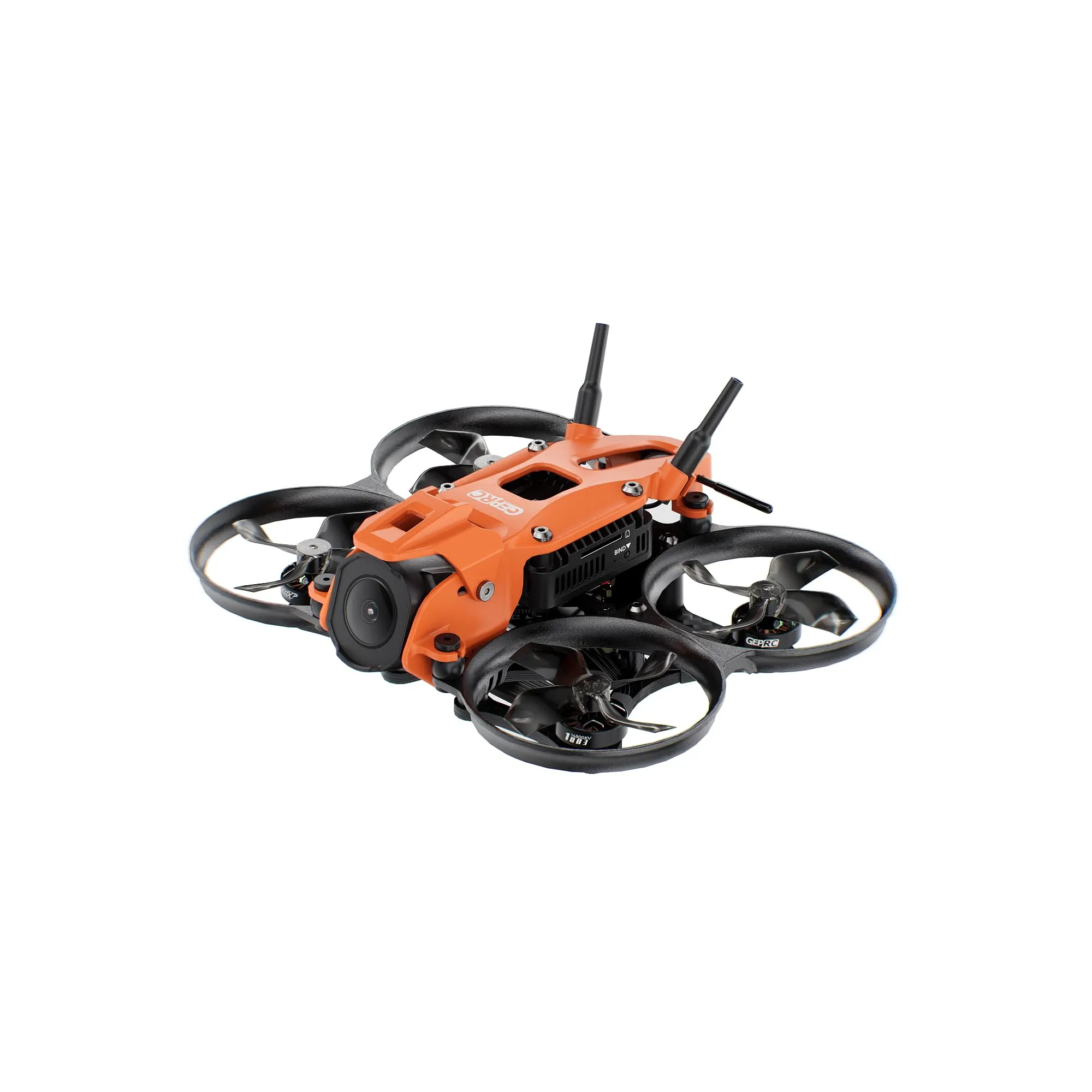
The GEPRC DarkStar16 O4 Pro TinyWhoop (Elrs2.4G) arrives like a pocket-sized revolution for FPV pilots who refuse to sacrifice image quality for agility. This micro drone blends the playful maneuverability of a TinyWhoop with the cinematic ambitions of pilots chasing crisp, low-light footage – thanks to seamless O4 Air Unit Pro integration that brings a big-camera feel to a small-frame platform. Whether you’re threading indoor gaps, sprinting through urban canyons, or polishing practice laps, the DarkStar16 feels composed and confident, translating quick inputs into smooth, expressive flight.
What sets this DarkStar apart is how it balances performance with practicality. The design is compact yet robust, built to withstand the scrapes and bumps that come with bold flying. Thoughtful touches make it an appealing option for seasoned racers and newcomers alike: fast setup, modular components for easy maintenance, and a flight personality that rewards both aggressive lines and relaxed cruising. With ELRS2.4G compatibility, pilots get modern radio connectivity options that pair well with the whoop’s responsive handling, offering a dependable link between pilot and machine.
Beyond the hardware, the DarkStar16 thrives as a creative tool. It encourages experimentation – from tight indoor sessions to scenic micro-cinematic runs – all while delivering stabilised visuals that reduce the jello and jitter that plague many small-frame builds. For FPV enthusiasts looking for a ready-to-fly micro drone that punches above its size class, the GEPRC DarkStar16 O4 Pro TinyWhoop (Elrs2.4G) is a compelling blend of nimble fun and serious imaging capability.
- Model: DarkStar16 O4 Pro
- Frame: GEP-DS16
- Wheelbase: 91mm
- FC System: TAKER F411-12A-E 1-2S
- MCU: STM32F411CEU6
- Gyro: ICM42688-P
- OSD: Betaflight OSD w/AT7456E chip
- ESC: Bluejay 8Bit 12A
- VTX: O4 Air Unit Pro VTX Module
- Camera: O4 Air Unit Pro Camera Module
- Antenna: 5.8G UFL antenna
- Motor: SPEEDX2 1003 14800KV
- Propeller: Gemfan1636-4
- Weight: 86g±5g
- Receiver: PNP / ELRS2.4G
- Recommended Battery: LiHV 2S 530mAh
- Flight Time: 4′00″ (with LiHV 2S 530mAh battery, low-speed indoor cruising)
- Includes:
- 1 x DarkStar16 O4 Pro
- 1 x Darkstar16 top plate (Grey)
- 1 x Darkstar16 camera protector (Grey)
- 1 x Darkstar16 protective frame (black)
- 1 x Gemfan1636-4 (2CW+2CCW)
- 1 x Plum screwdriver
- 1 x Spare screw pack
- 1 x Keychain
- Integration: Advanced imaging system with larger CMOS sensor
- Stability: Integrated four-point damping ball system
- Modular VTX: Quick-release design for easy maintenance
- Frame: 1.6-inch mold-designed structure
- Power Management: Fixed XT30 connector for easy operation
Pros
- Stunning micro-HD potential – larger-than-average sensor and a modern digital video path deliver sharper, cleaner footage than most tinywhoops, making this a top pick for cinematic indoor FPV and content creators.
- Very agile and responsive in tight spaces thanks to a lightweight, high-rev motor/prop setup – excellent for fast corridor runs and playful freestyle inside the house.
- Better-than-typical vibration isolation yields smoother onboard video and reduces hassle when tuning filters, so you get usable footage without heavy post-processing.
- Field-friendly VTX/camera module design speeds repairs and upgrades; you can swap the video assembly quickly between sessions without disassembling the whole drone.
- Modern radio options (including a low-latency long-range protocol) give you crisp control and low input lag compared with legacy micro receivers – useful for racing or precise indoor maneuvers.
- Thoughtful out-of-box kit: spare props, screws, and a basic tool mean quicker first flights and fewer trips to the parts bin, improving the beginner-to-intermediate experience.
- Standardized battery/connectors and a compact form factor make logistics simple – easy to carry multiple batteries and keep flying during short indoor sessions.
Cons
- Short flight endurance typical of 1–2S micro setups; frequent battery swaps break session flow and limit long capture windows for content creators.
- Limited power headroom – while great indoors, it won’t handle aggressive outdoor work or heavy payloads without sacrificing stability or runtime.
- Small airframe is wind-sensitive, so performance and video stability degrade quickly outdoors; optimal use remains indoor or very calm conditions.
- Molded, compact construction improves weight but can make some repairs or part swaps fiddlier than more modular frames – expect tighter tolerances on replacements.
- Delicate RF and pay‑load connectors on tiny units are more vulnerable to knocks; antenna/connector damage is a common maintenance point for micro pilots.
- ESC and power architecture aim for weight and size efficiency, which can limit advanced tuning margins (thermal headroom and aggressive filtering) compared with larger quads.
- Premium imaging and modular systems add cost and complexity – if you just want a durable scratch-and-fly toy, this leans toward enthusiasts who value HD video and tunability.